

Museo de Arte Contemporáneo
Santiago, Chile
18 noviembre – 3 diciembre 2006
Arte contemporáneo chileno: Desde el otro sitio / lugar es la segunda parte de la exposición de intercambio entre Corea y Chile, organizada conjuntamente por el Museo Nacional de Arte Contemporáneo de Corea y el Museo de Arte Contemporáneo de Santiago de Chile. Esta muestra presenta por primera vez el arte de Sudamérica, que no ha mantenido un intercambio artístico activo con Corea.
El arte contemporáneo chileno desde la década de 1950 hasta la actualidad se ha desarrollado bajo la influencia del arte moderno y contemporáneo tanto de Europa como de Estados Unidos, al igual que muchos otros países. Sin embargo, revela sus propias características que reflejan las situaciones sociales e históricas de Chile como uno de los países del Tercer Mundo.
Arte contemporáneo chileno: Desde el otro sitio / lugar está compuesta por obras de 55 artistas chilenos desde la década de 1950 hasta la actualidad, lo que permite examinar las tendencias artísticas generales de Chile. La exposición se divide en dos partes: la primera muestra las obras de la generación relativamente más antigua de artistas chilenos, y la mayoría de las obras de arte se han seleccionado de la colección del Museo de Arte Contemporáneo de Santiago; la segunda parte está compuesta por las obras de los artistas emergentes de Chile, a través de las cuales se pueden apreciar los aspectos más novedosos del arte chileno desde la década de 1990. Estas obras de los artistas muestran las diversas tendencias del arte contemporáneo chileno y diversas formas artísticas, como el videoarte, la instalación, la fotografía y el webart.
La importancia de esta exposición radica, en parte, en el hecho de que, a través de ella, la introducción del arte mundial al público coreano se ha ampliado desde el arte occidental y el de varios países asiáticos de punta hasta el arte de los países latinoamericanos. Esta exposición no solo presentará las nuevas tendencias artísticas que nos eran desconocidas, sino que también nos ayudará a comprender la cultura, la situación política y la historia de Chile.
Desde la década de 1990
Cuando el régimen dictatorial llegó a su fin en 1990, la escena artística chilena respondió a los nuevos tiempos. Tras liberarse del severo control y la censura, los artistas pudieron expresar libremente su creatividad y se fundó «FONDART», un fondo nacional para el arte, con el fin de apoyar a los artistas. Surgió una nueva generación, a la que se suele denominar «Generación de los ’90». Los jóvenes artistas de esta generación se formaron bajo el régimen dictatorial, pero han vivido el periodo de transición a la democracia. Sintieron directamente los cambios radicales y transmitieron los conflictos y la incertidumbre inherentes a esos cambios a través de su arte.
La división de un breve periodo en dos partes tiene su origen en nuestra intención de enunciar el cambio que se produjo en el arte de Chile desde la década de 1990. Para la primera parte se seleccionaron cinco artistas, entre ellos Pablo Langlois, a quienes se les otorgó el título de «artistas del periodo de transición», ya que exploraron la historia de la pintura y la naturaleza de la representación, al tiempo que mantuvieron una postura crítica hacia la pintura. Para la segunda parte, se seleccionaron quince artistas más jóvenes que los cinco de la primera parte, entre ellos Mónica Bengoa. Sin dudar en traspasar las fronteras de diversas formas artísticas, las obras de estos artistas se oponen al hedonismo de la década de 1980 y revelan una variedad de características distintivas del arte contemporáneo, como el «objeto», la «apropiación» y el «kitsch».
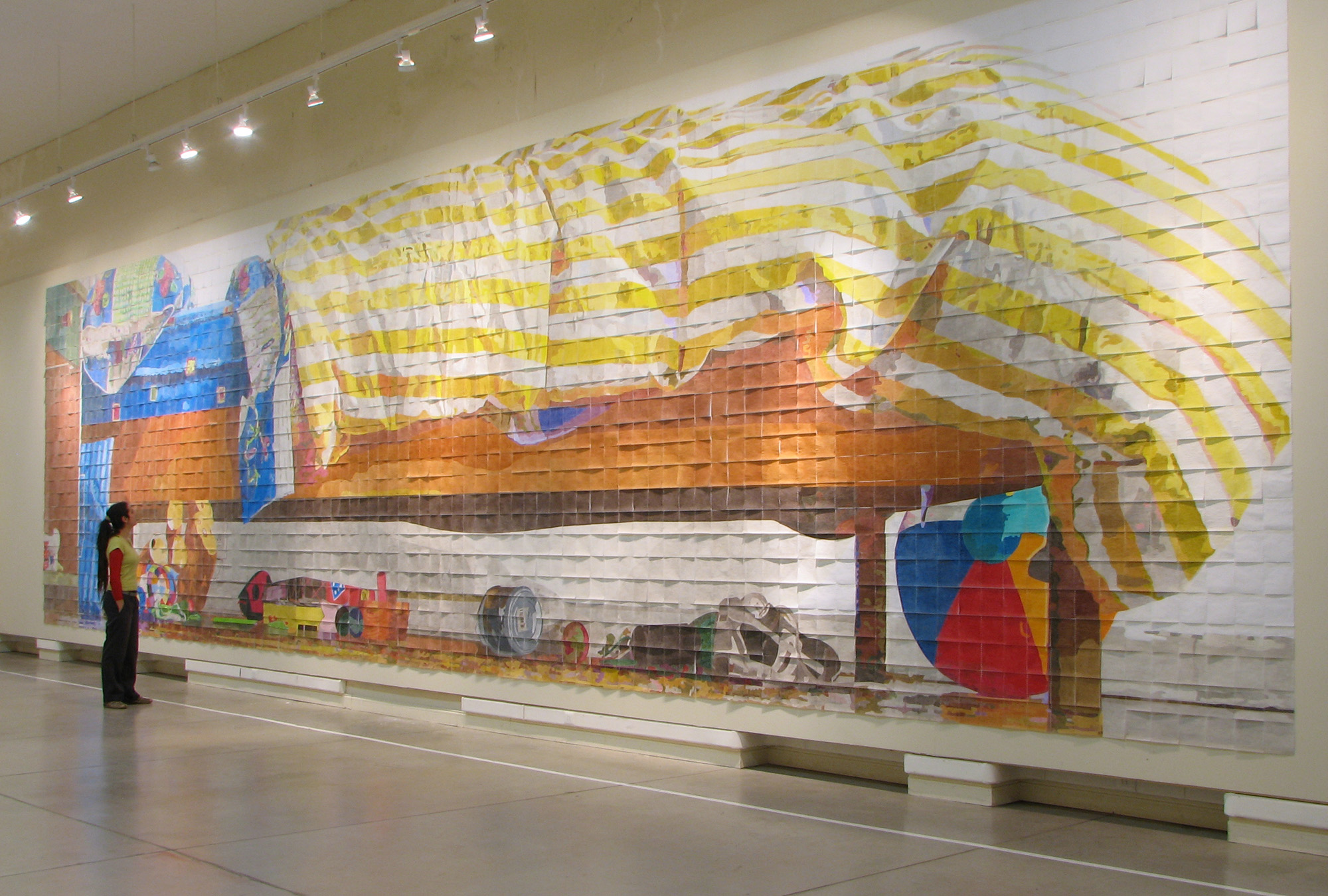
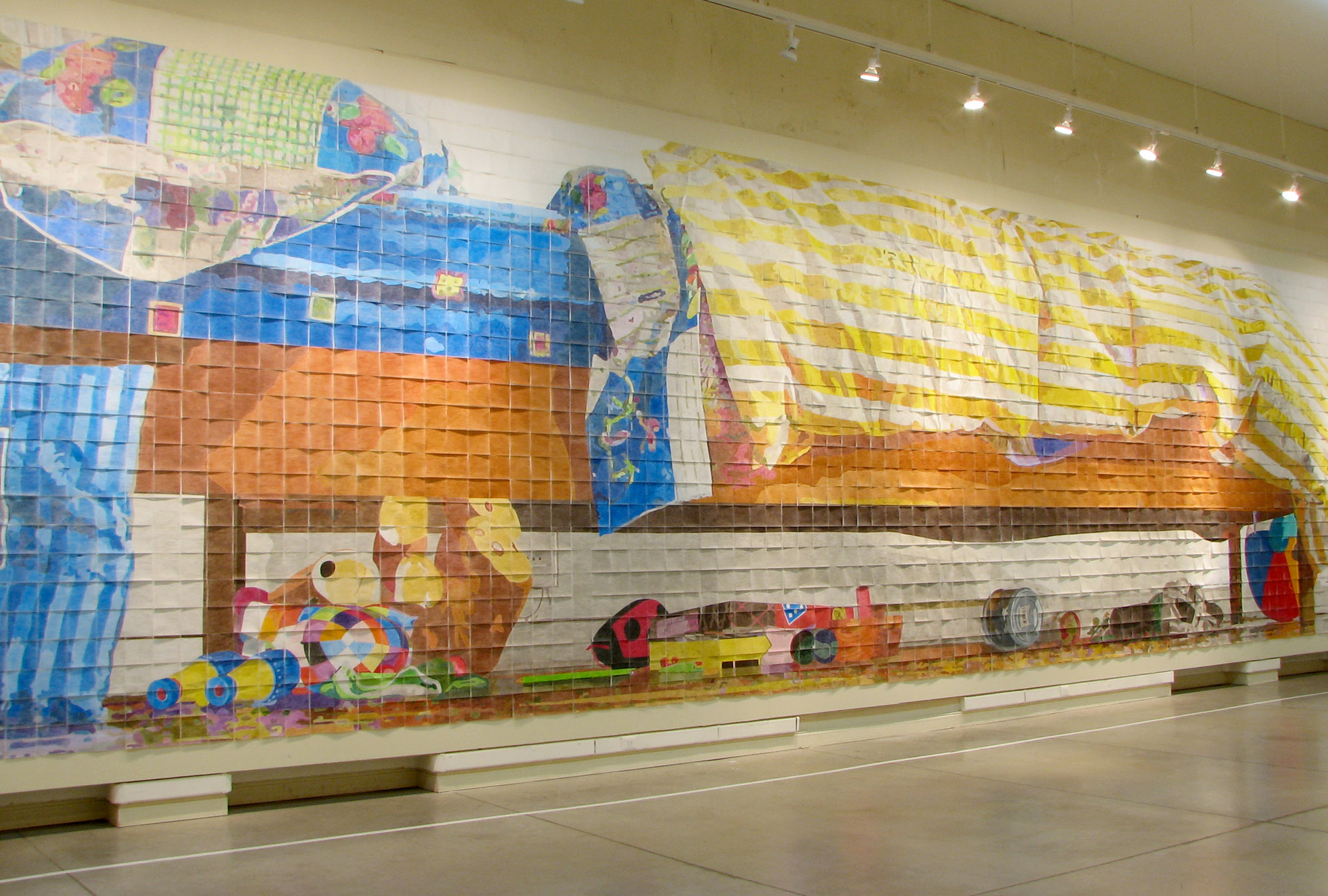
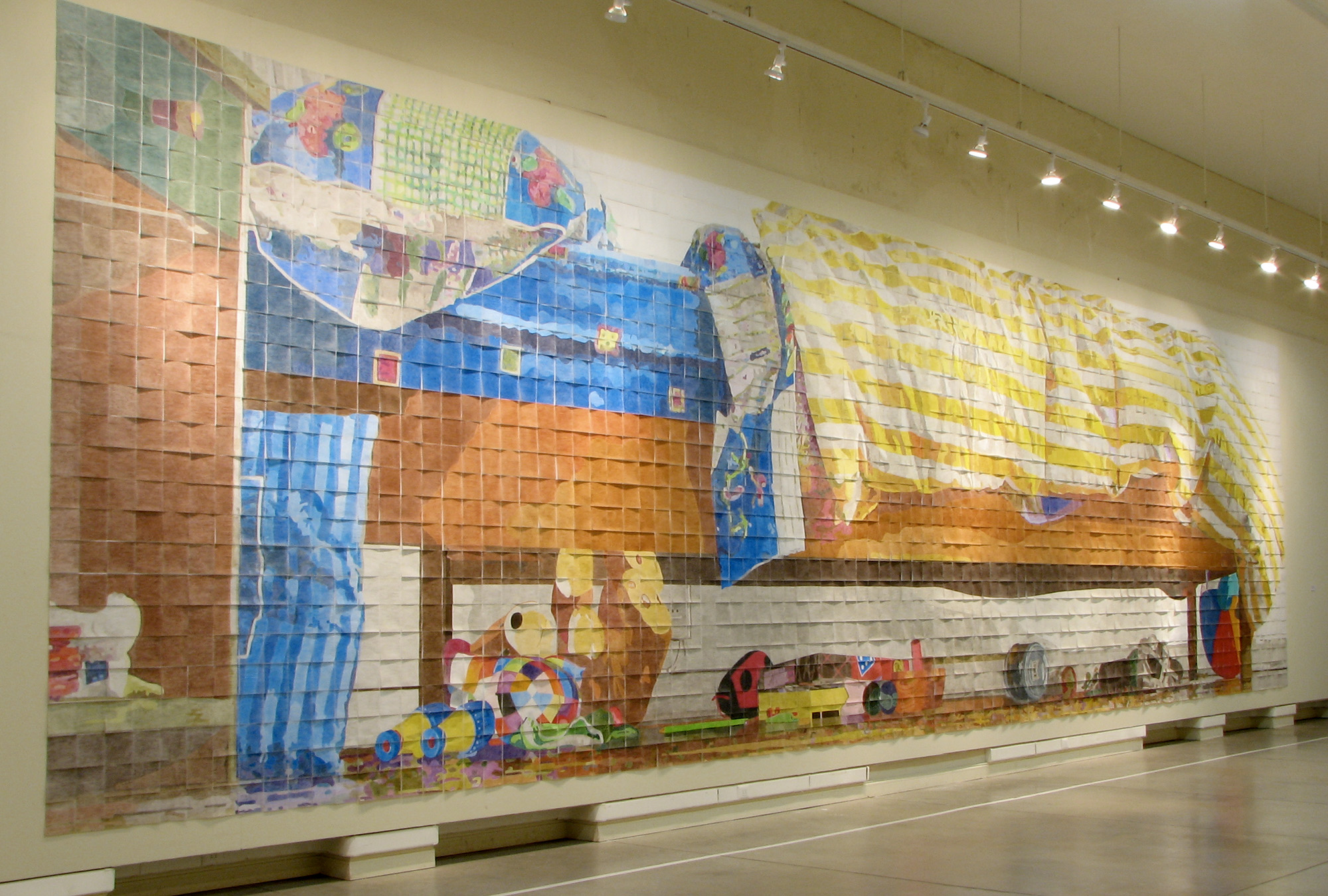
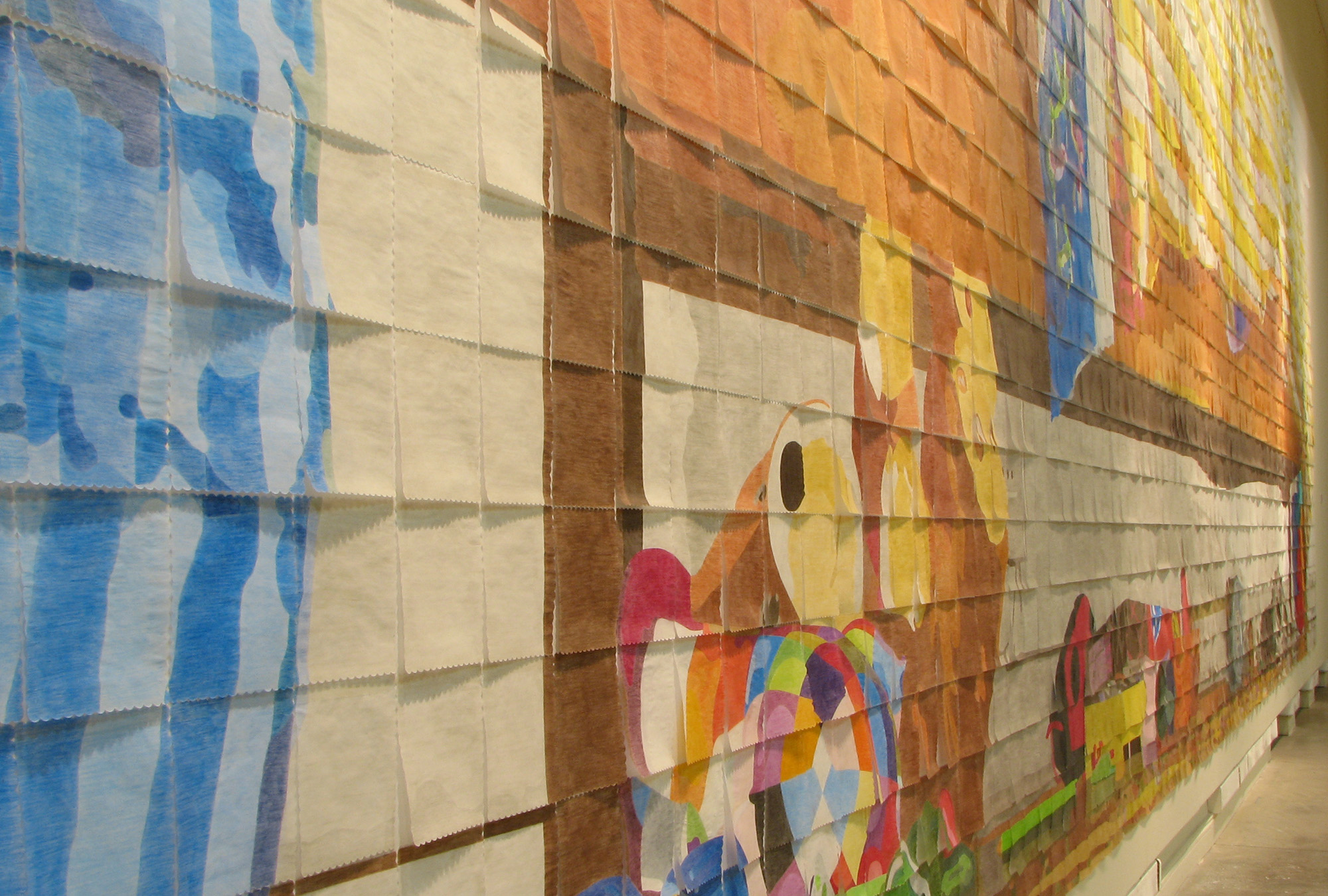
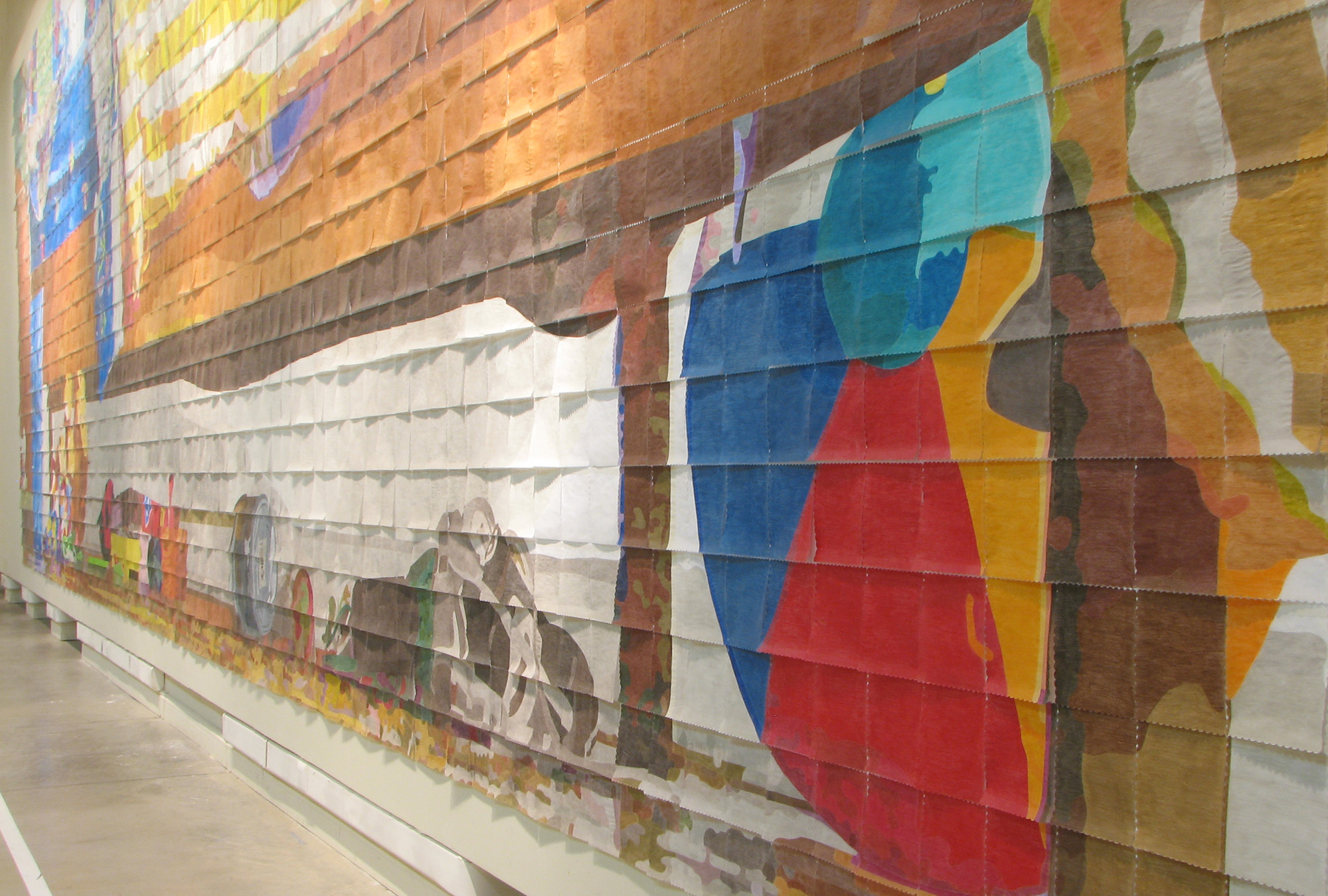
Obra exhibida:
Museum of Contemporary Art
Santiago, Chile
18 November – 3 December 2006
Chilean Contemporary Art: From the other Side / Site is the second part of the exchange exhibition between Korea and Chile, which is co-organized by National Museum of Contemporary Art, Korea and Museum of Contemporary Art Santiago, Chile. This show introduces for the first time the Art of South America, which has not made an active art exchange with Korea.
Chilean Contemporary Art from the 1950s to the present has been developed under the influence of the modern and contemporary art of both Europe and the United States as many other countries have. Nevertheless, it reveals its own characteristics that reflect Chile’s social and historical situations as one of the countries of the Third World.
Chilean Contemporary Art: From the other Side / Site is consisted of the artwork of 55 Chilean artists from the 1950s to the present so that one can examine the overall art tendencies of Chile. The exhibition divided into two parts: the first part shows the works of the relatively elder generation of Chilean artists, and most artworks are selected from the Museum of Contemporary Art Santiago Collection; the second part is composed of the works of the emerging artists of Chile through which one can experience the fresh aspects of Chilean art since 1990s. These works of artists unfold the diverse trends of Chilean contemporary art and such various art forms as video art, installation art, photography and web art.
The significance of this exhibition lies in part in the fact that through this show the introduction of world art to the Korean public has been extended from the art of the West and several forefront nations of Asia to the art of Latin American nations. This exhibition will not only present the novel art trends that have been unfamiliar to us but also help our understanding of the culture, political conditions, and history of Chile.
Since the 1990s
When the dictatorial regime was over in 1990, the Chilean art scene responded to changing times. Having unchained from severe control and censorship, artist became able to freely articulate their creativity and ‘FONDART’, a national fund for art, was founded so as to support artists. The generation emerged and this circumstance is usually called ‘Generation since the 1990s’. Young artists of this generation was educated under the dictatorial regime, but have lived through the transitive period to democracy. They directly felt the radical changes and conveyed the conflicts and suspense immanent in those changes through their art.
The division of a short period into two parts originates in our intention to enunciate the change occurred in the art of Chile since 1990s. For the first part 5 artist are selected including Pablo Langlois who were designated with the title ‘artist of the transitive period’ since they explored the history of painting and the nature of representation while maintaining the critical stance against painting. For the second part 15 artist, younger than the 5 artist of the first part including Mónica Bengoa. Not hesitating to cross the boundaries of various art forms, the works of these artists oppose the hedonism of the 1980s and reveal a variety of the distinctive features of contemporary art such as ‘object’, ‘appropriation’ and ‘kitch’.
Exhibited work: